
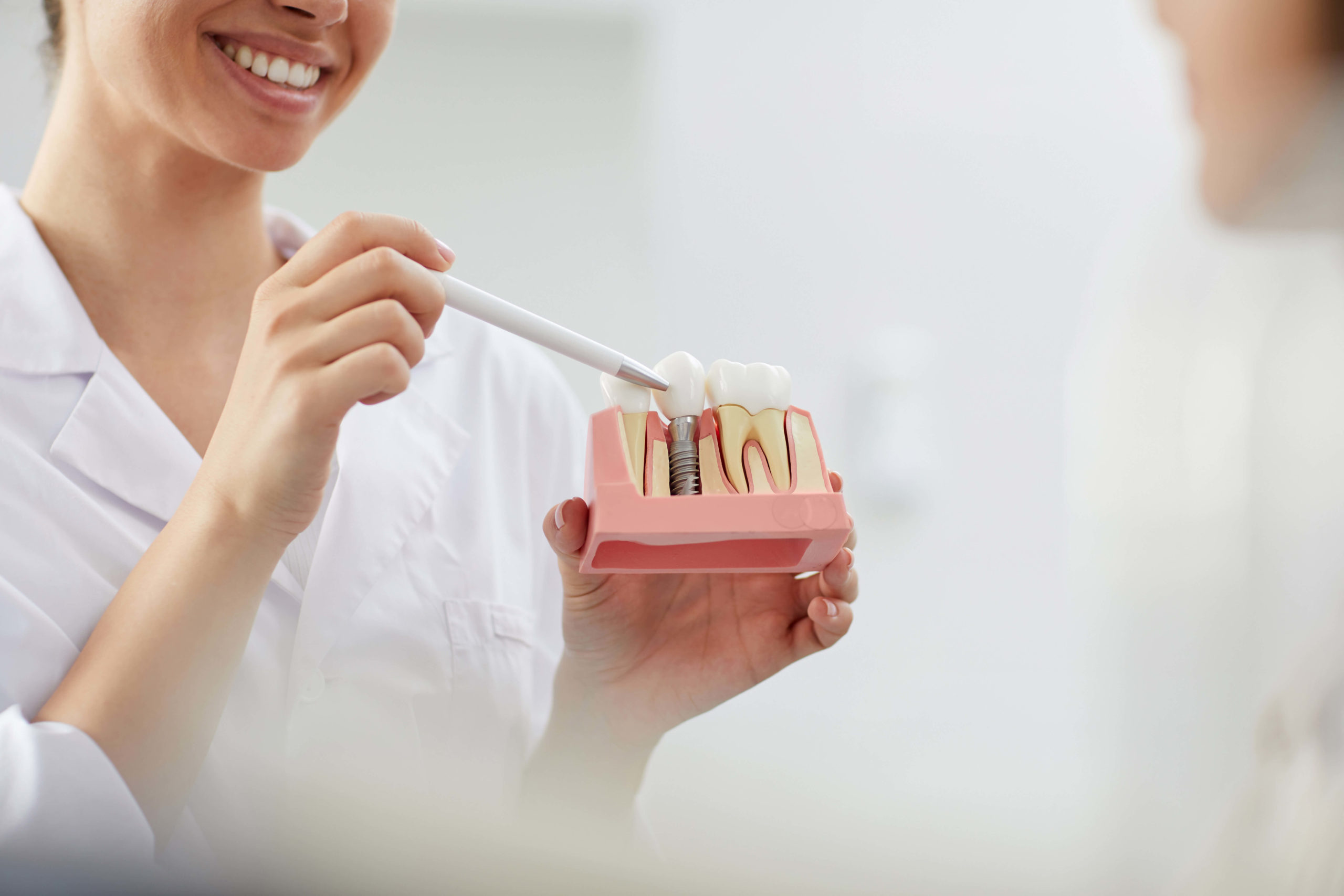
Missing teeth can affect more than your smile. They may make chewing difficult, influence speech, and reduce confidence in everyday situations. Dental implants offer a long-term tooth replacement option that looks and functions much like a natural tooth. However, treatment costs can be a concern for many people exploring their options.
Finding affordable dental implants means understanding the available treatments, comparing costs, and choosing a qualified dental professional who can provide safe, reliable care within your budget.
With proper planning, patients can explore different implant solutions without compromising essential treatment quality.
What Are Dental Implants?
Dental implants are artificial tooth roots, usually made from titanium or another biocompatible material, that are placed into the jawbone to support replacement teeth. Once the implant integrates with the surrounding bone, it can support a dental crown, bridge, or a full-arch prosthesis.
Unlike removable dentures, implant-supported teeth are anchored to the jawbone. This can provide improved stability during eating and speaking.
Dental implants may be recommended for people who have lost teeth because of decay, gum disease, injury, or other dental conditions. However, suitability depends on factors such as gum health, available bone, general health, and oral hygiene.
A dental examination is necessary to determine whether implants are appropriate for your situation.
What Makes Dental Implants Affordable?
The cost of dental implants varies between clinics and patients. Affordable treatment does not necessarily mean choosing the cheapest advertised option. It means finding a treatment plan that balances cost, quality, safety, and long-term value.
Several factors can influence affordability.
1. Type of Implant Treatment
Replacing one missing tooth generally requires a different treatment plan from replacing several teeth or an entire arch. Single-tooth implants may be more manageable for patients with limited treatment needs, while implant-supported bridges can replace multiple missing teeth using fewer implants in suitable cases.
Your dentist can explain which option meets your functional needs without adding unnecessary procedures.
2. Implant Materials and Components
Implant systems differ in design, materials, and manufacturer. The final cost may include the implant fixture, abutment, crown, and associated laboratory work.
Ask your dentist which components are included in the quoted price and whether the proposed system has appropriate clinical evidence and support.
3. Additional Dental Procedures
Some patients need preliminary treatment before implant placement. This may include treatment for gum disease, tooth extraction, or bone grafting when insufficient bone is available.
These procedures can increase the total cost. A detailed treatment plan helps you understand which steps are necessary and why.
4. Number of Missing Teeth
The number and position of missing teeth affect the overall expense. A dentist may recommend individual implants, an implant-supported bridge, or another suitable restoration depending on your needs.
Replacing multiple teeth does not always require one implant per tooth, but the appropriate design depends on bone support, bite forces, and the type of restoration.
What Are the Benefits of Affordable Dental Implants?
When properly planned and maintained, dental implants can provide several benefits for people with missing teeth.
Natural-looking appearance: Custom-made crowns and prostheses can be designed to complement your surrounding teeth.
Improved chewing function: Implant-supported restorations can provide stable support when eating.
Support for jawbone health: Implants transfer functional forces to the jawbone and can help limit the bone changes associated with tooth loss.
No reliance on neighboring teeth: A single-tooth implant usually does not require the adjacent teeth to be reshaped, unlike a conventional tooth-supported bridge.
Long-term value: Implants can last many years, although crowns and other components may need repair or replacement over time.
Improved confidence: Replacing missing teeth can help people feel more comfortable smiling and speaking.
Implants are not suitable for everyone, and their success depends on proper planning, healing, oral hygiene, and ongoing dental care.
Types of Affordable Dental Implant Solutions
The best implant option depends on how many teeth are missing, the condition of your jawbone, and your budget.
Single-Tooth Dental Implants
A single-tooth implant replaces one missing tooth using an implant fixture, an abutment, and a crown. It is often considered when the surrounding teeth are healthy and do not need restoration.
Although the initial cost may be higher than some alternatives, it can avoid the need to prepare adjacent teeth for a conventional bridge.
Implant-Supported Bridges
An implant-supported bridge can replace several missing teeth using implants to support a connected row of replacement teeth. In appropriate cases, this may reduce the number of implants needed compared with replacing every missing tooth individually.
The dentist evaluates the position of the missing teeth, bone support, and bite before recommending this option.
Full-Arch Implant Solutions
People missing most or all teeth in an upper or lower jaw may be candidates for a full-arch implant-supported restoration.
Some treatment plans use a small number of strategically positioned implants to support a complete arch of replacement teeth. The number of implants and type of prosthesis depend on individual anatomy and clinical needs.
Full-arch treatment can involve more extensive planning and a higher initial investment, so patients should understand the complete cost and maintenance requirements before proceeding.
Implant-Supported Dentures
Implant-supported dentures use dental implants to improve the stability of a removable or fixed prosthesis, depending on the design.
This option may be useful for people who struggle with loose conventional dentures. The final cost depends on the number of implants, attachment system, and type of denture.
Who Is a Suitable Candidate for Dental Implants?
Many adults with missing teeth may be candidates for dental implants, but a thorough assessment is essential before treatment.
Your dentist will evaluate:
The health of your gums and remaining teeth.
The amount and quality of jawbone available.
Your medical history and medications.
Smoking habits and other factors that may affect healing.
Your ability to maintain daily oral hygiene.
Your expectations, budget, and preferred restoration.
People with insufficient bone may need additional procedures before implant placement. Conditions that affect healing may also require extra planning or coordination with a medical professional.
Age alone does not determine suitability. The health of the jawbone, completion of jaw growth, and overall clinical circumstances are more important considerations.
What Is the Dental Implant Procedure?
Dental implant treatment usually takes place over several stages. The exact process depends on the condition of your mouth and the type of restoration planned.
Step 1: Consultation and Treatment Planning
The dentist examines your teeth and gums and may recommend X-rays or three-dimensional imaging. These assessments help determine implant positioning and identify any issues that need treatment first.
You should receive a treatment plan outlining the recommended procedures, expected timeline, risks, and estimated cost.
Step 2: Implant Placement
The implant fixture is placed into the jawbone during a dental procedure, generally using local anesthesia. Depending on the case, additional techniques or sedation may be considered.
After placement, the implant needs time to integrate with the surrounding bone.
Step 3: Healing and Integration
The healing period varies depending on bone quality, implant location, and whether additional procedures were performed. Integration may take several months.
In selected cases, a temporary replacement tooth may be provided during healing. However, immediate loading is not appropriate for every patient.
Step 4: Abutment and Final Restoration
Once the implant is sufficiently stable, an abutment and custom-made crown, bridge, or denture are fitted according to the treatment plan.
The dentist checks the fit, bite, and appearance to ensure that the restoration functions comfortably.
How Much Do Affordable Dental Implants Cost?
Dental implant costs vary depending on the clinic, location, implant system, restoration material, and complexity of treatment.
When comparing prices, check whether the quoted amount includes only the implant fixture or the complete treatment. The abutment, crown, scans, extractions, bone grafting, temporary teeth, and follow-up visits may be charged separately.
Ask the dental clinic for a written estimate that includes all anticipated stages. If your budget is limited, discuss phased treatment or alternative tooth replacement options with your dentist.
Do not choose a clinic based on price alone. Sterilization practices, clinician qualifications, implant planning, component quality, and follow-up support are essential parts of safe treatment.
How to Maintain Dental Implants
Dental implants require ongoing care, just like natural teeth. Although the implant itself cannot develop tooth decay, the surrounding gums and bone can become infected if plaque accumulates.
To protect your implants:
Brush twice daily using a soft-bristled toothbrush.
Clean between your teeth and around implant restorations every day.
Use specialized interdental brushes if recommended.
Avoid smoking, which can increase the risk of implant complications.
Attend regular dental checkups and professional cleaning appointments.
Contact your dentist if you notice bleeding, swelling, pain, or looseness.
Your dentist will recommend an appropriate maintenance schedule based on your oral health and implant restoration.
Dental Implants vs. Other Tooth Replacement Options
Dental implants are one of several ways to replace missing teeth. A conventional dental bridge may be suitable when neighboring teeth also need crowns or when implant surgery is not appropriate.
Removable partial dentures and complete dentures may offer lower initial costs and avoid implant surgery. However, their stability, comfort, maintenance needs, and long-term expenses differ from those of implant-supported restorations.
The right choice depends on your oral health, the number of missing teeth, your preferences, and your budget. Ask your dentist to compare the expected benefits, limitations, and total costs of the available options.
Conclusion
Affordable dental implants can help restore missing teeth, improve chewing function, and support a confident smile. The most suitable treatment depends on your dental condition, the number of teeth being replaced, and the type of restoration you need.
Before making a decision, consult a qualified dental professional, request a detailed treatment estimate, and compare all appropriate options. A carefully planned treatment can help you balance affordability with safety, function, and long-term oral health.


