
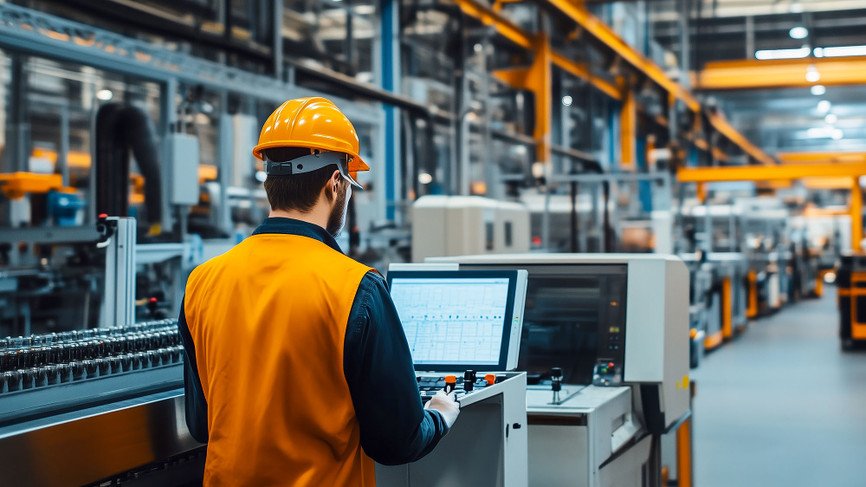
Industrial lifting operations require equipment that can handle demanding working conditions while supporting safe and efficient material handling. From construction sites and manufacturing facilities to warehouses and engineering workshops, businesses regularly move heavy machinery, equipment and materials. Selecting appropriate lifting components is therefore an important part of creating a reliable lifting system. Schutts Industrial provides industrial products designed to support businesses across a variety of demanding applications.
Understanding Lifting Components
A lifting system consists of more than just a crane or hoist. Different components work together to connect, secure and move a load safely. Depending on the application, these may include chains, hooks, shackles, links and other associated hardware.
Each component has a specific purpose and needs to be suitable for the overall lifting arrangement. Choosing components without considering their capacity, dimensions or compatibility can affect the performance of the lifting system.
Businesses should therefore assess the requirements of each lifting operation before purchasing equipment. Factors such as load weight, lifting configuration, working environment and frequency of use can all influence the selection process.
Choosing the Right Products
Different industries have different lifting requirements. A manufacturing facility may regularly move machinery or fabricated components, while a construction company may need equipment for handling structural materials. Warehouses may have different requirements again, particularly when lifting or positioning heavy goods.
When selecting lifting components, businesses should consider the working load limit and ensure that the equipment is appropriate for the intended application. Components should also be compatible with one another. A chain, hook or connector should not be selected in isolation when it forms part of a larger lifting system.
Schutts Industrial can assist businesses looking for industrial lifting products by providing access to equipment designed for a variety of applications. Selecting products based on their specifications rather than simply their appearance or price can help businesses make more informed purchasing decisions.
The Importance of Quality and Durability
Industrial lifting equipment can be subjected to repeated loading and demanding operating conditions. Components may also be exposed to dust, moisture, impact and other environmental factors. For this reason, quality and durability are important considerations.
Reliable equipment can support consistent lifting operations when it is correctly selected, installed and maintained. However, even high-quality components require appropriate care. Regular inspection can help identify visible signs of wear, deformation, corrosion or other damage.
Any component that appears damaged or unsuitable should be removed from service and assessed by a competent person. Continuing to use compromised equipment can create unnecessary risks during lifting operations.
Safe Use and Maintenance
Proper equipment selection should always be supported by responsible operating practices. Workers involved in lifting operations should understand the equipment's capacity and follow established workplace procedures.
Loads should be positioned and secured appropriately before lifting begins. Operators should avoid sudden movements that can place unnecessary forces on equipment, and workers should remain clear of suspended loads.
Regular maintenance and inspection programs are also important. Businesses should establish procedures for checking lifting equipment and keeping records where required. Following manufacturer recommendations can help ensure that equipment remains suitable for its intended application.
Supporting Efficient Material Handling
Reliable lifting equipment can contribute to more efficient material handling. When businesses have suitable products available, heavy materials can be moved and positioned with greater consistency. This can be particularly valuable in workplaces where lifting operations are performed regularly.
Choosing suitable lifting components can also help businesses avoid compatibility issues and unnecessary equipment replacement. A complete approach to product selection ensures that individual components work together as part of an appropriate lifting system.
Schutts Industrial offers industrial solutions for businesses seeking reliable lifting and hardware products. Customers should consider their specific application requirements and verify product specifications before selecting equipment.
Making a Practical Investment
Choosing lifting equipment is an important decision for any business involved in material handling. Rather than focusing only on initial cost, businesses should consider suitability, durability, compatibility and long-term performance.
By selecting appropriate lifting components, following safe operating procedures and carrying out regular inspections, businesses can support more reliable lifting operations. Working with an experienced supplier such as Schutts Industrial can also make it easier to identify products suited to specific industrial requirements.
Ultimately, effective lifting depends on the complete system, not just one component. Proper planning, quality equipment, trained personnel and responsible maintenance all contribute to safer and more efficient industrial lifting operations.


