
Technology Reshaping How We Relax
The way people unwind has shifted dramatically in the digital age. Streaming services, mobile apps, and gaming platforms have all become everyday escapes for millions of users worldwide. Entertainment is no longer confined to television schedules or physical venues — it’s on-demand, interactive, and available anywhere.
This rapid transformation shows how technology doesn’t just provide new tools; it actively changes how we connect with fun, relaxation, and even competition.
The Expanding Role of Online Platforms
From music apps to video-sharing websites, online platforms have grown into hubs of engagement and creativity. These spaces are not only about consuming entertainment but also about building communities. Users today expect immersive experiences that blur the line between content, interactivity, and social connection.
Innovative platforms like skyhills represent this evolving landscape, bringing together modern design, interactive play, and a global audience under one roof. Their success demonstrates how digital-first approaches are shaping the next generation of leisure experiences.
Why Users Are Drawn to Interactive Digital Entertainment
People crave more than passive enjoyment; they want dynamic participation. Whether it’s online games, social platforms, or digital casinos, the best experiences give users a sense of involvement and control.
Some key features that keep audiences hooked include:
- Accessibility: Seamless play across devices without complicated setups.
- Community: Interaction through chatrooms, leaderboards, and live events.
- Innovation: Regular updates and fresh features to maintain excitement.
- Transparency: Secure platforms that prioritize user trust.
This mix of convenience and engagement makes interactive entertainment one of the fastest-growing sectors globally.
The Business Side of Digital Leisure
Behind every successful entertainment platform is a strong business model. Companies are rethinking revenue streams, shifting from one-time purchases to ongoing services. Subscription models, microtransactions, and freemium access all play a part in how platforms sustain themselves while giving users continuous value.
Startups in this space thrive by staying agile, responding to user behavior, and integrating cutting-edge technology. It’s not just about entertainment — it’s about building ecosystems where businesses and audiences grow together.
Traditional vs. Digital-First Entertainment Models
A closer look at how traditional and modern entertainment differ highlights why users are embracing digital-first solutions:
How Community Shapes Engagement
Community is the heartbeat of today’s entertainment platforms. People want to share experiences, compete, collaborate, and connect with others who share their interests. This is why live chats, tournaments, and multiplayer systems thrive. They transform individual enjoyment into shared, memorable moments.
By fostering a strong sense of community, platforms also build long-term loyalty — something that traditional models often struggled to achieve.
The Road Ahead: Emerging Trends in Digital Entertainment
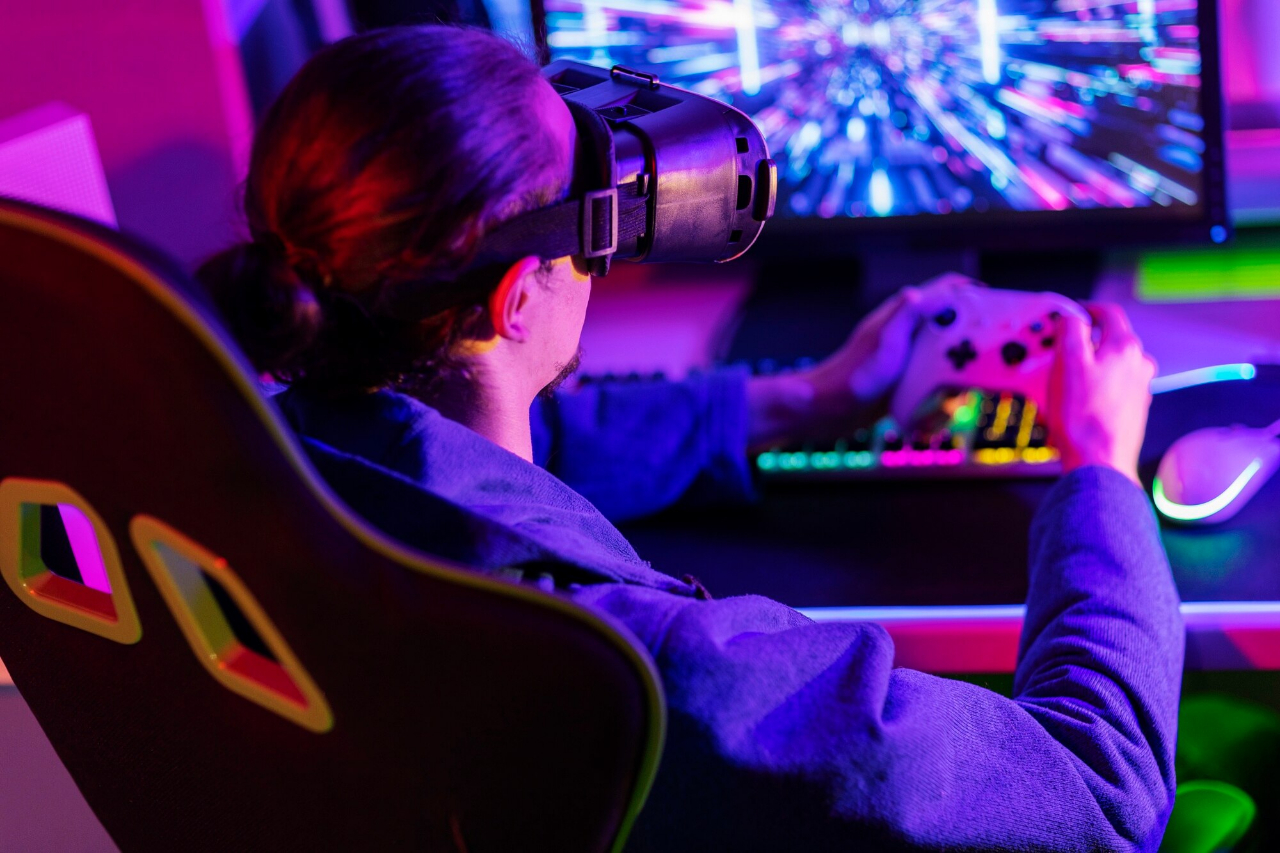
As technology advances, the future of entertainment looks even more immersive. Virtual reality (VR) promises to place players inside fully interactive worlds, while augmented reality (AR) overlays digital fun on real-life settings. Artificial intelligence (AI), meanwhile, personalizes experiences by tailoring recommendations, challenges, and rewards.
With these developments, the line between entertainment, lifestyle, and business continues to blur. Users aren’t just playing or watching — they’re part of a growing digital ecosystem that evolves alongside technology itself.
Wrapping Up
Digital-first platforms are revolutionizing leisure, making it more interactive, accessible, and community-driven. With technology powering innovation at every level, the entertainment of tomorrow promises to be more engaging than ever before, creating opportunities for both users and businesses alike.


